Gold has fascinated humanity for thousands of years as a symbol of wealth, power, and financial security. In the world of precious metals, 24 karat gold stands as the absolute pinnacle of quality and market value.
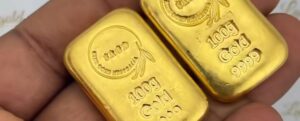
Whether you are a seasoned investor buying physical bullion, a jewelry collector looking for ceremonial pieces, or someone selling unwanted gold for cash, understanding 24 karat gold is essential.
This guide covers everything you need to know about 24 karat gold: its exact meaning, key identification marks, physical properties, market pricing, and how it compares to lower-karat options.
What Does 24 Karat Gold Mean?
The term karat (K) is a traditional unit of measurement used to describe the purity or fineness of gold on a 24-part scale. When a gold item is labeled 24 karat, it means that 24 out of 24 parts of the piece are pure gold, with zero base metals added.
Unlike 14k or 18k gold which are mixed (alloyed) with silver, copper, nickel, or zinc to increase strength 24 karat gold is untouched by alloying metals.
| Karat Rating | Pure Gold Content | Base Metal Alloy | Fractional Value |
| 24 Karat | 99.9% to 99.99% | 0% | 24/24 |
| 22 Karat | 91.67% | 8.33% | 22/24 |
| 18 Karat | 75.00% | 25.00% | 18/24 |
| 14 Karat | 58.33% | 41.67% | 14/24 |
| 10 Karat | 41.67% | 58.33% | 10/24 |
Is 24k Gold 100% Pure?
In practical commercial terms, 24k gold is often referred to as “100% pure gold.”However, scientifically speaking, absolute 100% purity is nearly impossible to achieve due to microscopic trace elements.
Commercially available 24k gold is 99.9% pure (999 fineness) or 99.99% pure (999.9 fineness), commonly called “four nines fine.”Refineries utilize electro-refining methods to eliminate impurities like iron, lead, or copper.
When you buy a certified 24k gold bar, coin, or piece, you are buying the purest form of gold commercially available on Earth.
Physical Properties of 24 Karat Gold
Understanding the distinct physical characteristics of 24k gold helps you evaluate its quality and spot counterfeits.
1. Color and Luster
Pure 24k gold has a deep, vibrant, orange-yellow tone that is distinct from lower karats. Because lower-karat gold items are alloyed with white or red metals (like silver, nickel, or copper), they display a paler yellow or rose tint. 24k gold retains a rich, warm glow that never tarnishes, rusts, or oxidizes.
2. Is 24 Karat Gold Soft?
Yes, 24 karat gold is extremely soft and malleable.
In its purest state, elemental gold (Au) lacks the rigid crystalline structure that base metals provide. You can easily dent, scratch, or bend thin 24k gold with your hands or teeth.
Important Takeaway: Because of its softness, 24k gold is rarely used for everyday jewelry that undergoes heavy wear (such as engagement rings or thin bangles). Daily-wear jewelry is typically crafted in 18k or 14k gold for durability. 24k gold is primarily reserved for investment bars, coins, high-value bullion, and special ceremonial jewelry.
3. High Density
Pure gold is exceptionally dense, with a specific gravity of approximately 19.32g/cm3. A small bar of 24k gold feels surprisingly heavy in the palm of your hand compared to fake or plated metals of the same size.
How to Identify Real 24k Gold: Number Codes and Stamps
To protect consumers and guarantee authentic trade, official hallmarking centers stamp pure gold with specific numeric stamps.
The 24k Gold Number Code
When inspecting pure gold, look for the following official markings stamped into the metal:
- 999(Indicates 99.9% pure gold (standard investment grade)
- 999.9 or 4N (Indicates 99.99% ultra-pure gold)
- 24Kor 24KT (Standard karat notation)
- Au 999 (Atomic symbol for gold combined with fineness)
If a piece of jewelry is stamped with 24K GP (Gold Plated), 24K HGE (Heavy Gold Electroplate), or 24K GF (Gold Filled), it is not solid 24k gold. These markings indicate a cheap base metal core covered by a thin surface layer of pure gold.
5 Practical Tests to Verify 24k Gold Authenticity
While professional assaying is the only 100% accurate method, you can perform several tests to check authenticity:
- The Magnet Test: Pure gold is non-magnetic. If your gold item strongly attracts a heavy neodymium magnet, it contains iron, nickel, or steel underneath.
- Nitric Acid Test: Pure 24k gold does not react to nitric acid. Lower karats or base metals will fizz, discolor, or turn green when exposed to nitric acid.
- Ceramic Plate Test: Drag the piece gently across an unglazed ceramic plate. Pure gold leaves a gold/yellow streak. Fake gold or base metals leave a black or grey streak.
- X-Ray Fluorescence (XRF) Spectrometry: Non-destructive testing used by reputable jewelry buyers and refiners. XRF analyzers shoot X-rays into the metal to give an exact chemical breakdown without damaging the piece.
24 Karat Gold Bars, Coins, and Bullion
The primary global use for 24k gold is physical asset backing and wealth preservation.
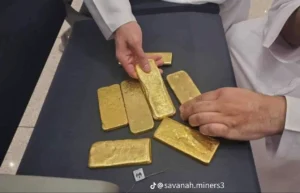
Gold Bars (Ingots)
24k gold bars are manufactured in two ways:
- Minted Bars: Cut from refined gold sheets, featuring sharp edges, smooth polished finishes, and sealed in tamper-evident assay cards.
- Cast (Poured) Bars: Created by pouring liquid gold directly into molds. They feature a rugged, classic look favored by long-term investors.
Common weight sizes range from 1 gram, 5 grams, 10 grams, 1 ounce, up to 100 grams, 1 kilogram, and 400 oz Good Delivery bars used by central banks.
Gold Coins
Government mints around the world produce iconic 24k investment coins:
- Canadian Gold Maple Leaf (99.99% pure)
- American Buffalo (99.99% pure)
- Australian Gold Kangaroo (99.99% pure)
- Vienna Philharmonic (99.99% pure)
Why Buy 24 Karat Gold? (Pros & Cons)
Before allocating capital toward 24k gold, weigh its advantages against its limitations:
Advantages
- Maximum Market Value: Contains the highest concentration of gold per weight unit, ensuring maximum melt value.
- Hedge Against Inflation: Physical pure gold preserves purchasing power across generations during currency devaluation and economic volatility.
- No Tarnishing:Pure gold will never oxidize, rust, or discolor skin.
- Hypoallergenic: 100% safe for individuals with sensitive skin or nickel allergies.
Disadvantages
- Not Ideal for Everyday Wear:Prone to scratches and structural bending if worn during intense physical labor.
- Higher Upfront Cost:Higher pure gold content means a higher base price per gram compared to 14k or 18k pieces.
Frequently Asked Questions About 24K Gold
Can 24k gold be worn every day?
24k gold pendants, earrings, and heavy chains can be worn for special occasions.However, daily-wear items subject to constant contact (like wedding bands or thin bracelets) are prone to bending or scratching.Most daily jewelry is crafted in 18k or 14k gold for structural strength.
Does 24k gold turn green or black?
No. Pure gold does not react with oxygen, water, or sweat. Skin discoloration occurs only when base metals (like copper or nickel) in low-karat alloys oxidize.
What is the difference between 24k gold and 22k gold?
24k gold is 99.9% pure, whereas 22k gold is 91.67% pure (stamped 916).22k gold contains 8.33% alloyed metal (copper/silver), making it slightly harder and popular for traditional bridal jewelry in Asian, Middle Eastern, and Indian markets.
Summary Checklist for Buyers & Sellers
When purchasing or selling 24 karat gold:
- Verify Hallmarks: Ensure the piece features official stamps like 999, 999.9, or 24K.
- Request Certification: Buy minted bars or coins sealed in official assay packaging.
- Transact with Trusted Dealers: Work with transparent buyers and sellers who use calibrated scales and XRF purity testing.